
Health
Wolves prez: Anthony Edwards will be ‘good as new’ after knee procedure
By Tommy Anderson
Advertisement · Why this ad?
Mark Gilliam brings a decade of experience in business reporting to Fargo Current, previously writing for the Grand Forks Herald. He holds a degree in Business Administration from the University of North Dakota and specializes in local economic trends and business development.
More from Mark →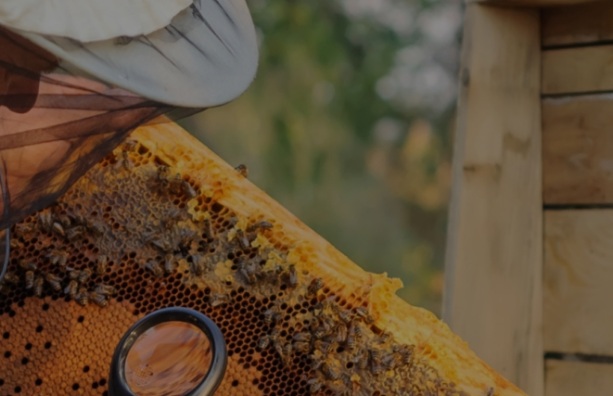
In the heart of Fargo, beekeepers are buzzing with excitement over a new tool designed to safeguard their colonies. The Honey Bee Health Coalition has unveiled an updated Varroa Management Decision Tool, promising to streamline the often overwhelming process of mite control. This innovative resource arrives as a beacon of hope for local apiarists, offering tailored guidance in the ongoing battle against the most significant threat to honey bee populations.
The Honey Bee Health Coalition (HBHC) officially released an updated version of its free Varroa Management Decision Tool on May 29, 2024. This interactive online resource is specifically designed to assist beekeepers, from hobbyists to commercial operators, in selecting the most effective and appropriate Varroa mite control methods for their specific colony needs. The update reflects the dynamic landscape of pest management, ensuring beekeepers have access to the latest science-backed strategies.
For families and individuals dedicated to beekeeping in our region, the health of their hives is not just a hobby; it's often a livelihood and a vital contribution to the broader agricultural community. Varroa destructor mites remain the primary biological threat to honey bee health worldwide, responsible for significant colony losses each year. Without effective management, these parasitic mites can devastate a hive, leading to weakened bees, reduced honey production, and ultimately, colony collapse.
The original Varroa Management Decision Tool, first launched in 2015 and previously updated in 2021, has been a cornerstone resource for beekeepers seeking to navigate the complex world of mite control. This latest iteration brings crucial advancements, incorporating new active ingredients, updated efficacy data for existing treatments, and insights into potential resistance concerns. It also provides guidance on novel application methods and offers a broader range of treatment options suitable for various colony sizes and types, including non-chemical approaches.
Lewis Bartlett, Assistant Professor of Entomology at the University of Georgia's Department of Entomology, emphasized the tool's personalized approach. “The Honey Bee Health Coalition’s revised Varroa Management Decision Tool keeps pace with the changing landscape of Varroa control — including when to apply, how much to use, and whether there are resistance concerns — and empowers beekeepers to make timely, science-backed decisions on treatment and prevention that suit their own philosophy, location, and circumstances,” Bartlett noted. This adaptability is key for beekeepers like the Olsons, a multi-generational family operating a small apiary just west of Fargo, who often face unique challenges based on their specific hive locations and organic farming practices.
The Varroa mite is a tiny external parasite that feeds on the fat body of adult honey bees and their brood, weakening them and transmitting various viruses. Its pervasive nature makes it a constant concern for anyone managing a hive. The updated decision tool helps beekeepers cut through the noise, allowing them to spend less time sifting through product labels and more time implementing informed decisions that lead to healthier, more resilient honey bee colonies.
Patrice LaFlamme, Project Manager for the Honey Bee Health Coalition, underscored the ongoing urgency. “Varroa mites remain the number one threat to honey bee health, causing significant colony losses for beekeepers across the country,” LaFlamme stated. “This tool is a critical resource, providing beekeepers with clear, concise, and actionable information to protect their bees.” The HBHC itself is a collaborative effort, bringing together beekeepers, growers, researchers, government agencies, and agribusinesses to advance honey bee health.
The development and continuous improvement of this vital resource are the result of extensive collaboration. Key partners include Project Apis m., the Bee Informed Partnership, the USDA Agricultural Research Service (ARS), various academic institutions, and industry stakeholders. This broad coalition ensures that the tool is built upon the most current scientific understanding and practical beekeeping experience.
Funding for these critical updates was provided through a grant from the USDA National Institute of Food and Agriculture (NIFA) Specialty Crop Research Initiative (SCRI). This investment highlights the federal government's recognition of the essential role honey bees play in agriculture and the broader ecosystem. Dr. Samuel Ramsey, a research entomologist with the USDA-ARS, praised the collective spirit behind the tool. “The updated tool is a testament to collaborative effort across the beekeeping community, providing beekeepers with the most current and effective strategies to combat Varroa mites,” Ramsey affirmed.
For new residents to Fargo, understanding the critical role of honey bees extends beyond mere agricultural curiosity; it's foundational to our regional economy and the vibrant ecosystem supporting our family farms. As a major agricultural hub, North Dakota relies heavily on pollinators for the success of crops like sunflowers, canola, and various fruits and vegetables. Healthy bee populations directly translate to thriving crops, which is vital for the economy and food supply in the Fargo area and across the state.
Local beekeepers, like Maria Rodriguez, who started her backyard apiary in south Fargo three years ago, often feel overwhelmed by the sheer volume of information and product choices. “It’s daunting to figure out the best way to protect my bees without harming them or the environment,” Rodriguez shared. “This tool simplifies everything, giving me confidence that I’m making the right choices for my hives and for my family’s garden.” Resources like the NDSU Extension Service also provide invaluable local support, often recommending tools like this to their constituents.
The Varroa Management Decision Tool is freely available online, offering an interactive platform where beekeepers can input details about their colonies, location, and management philosophy to receive tailored recommendations. This user-friendly interface is designed to empower beekeepers of all experience levels to make timely, science-backed decisions. It represents a significant step forward in providing accessible, practical solutions to a complex problem.
As beekeepers in Fargo and across North Dakota embrace this new resource, the future of their hives—and the broader agricultural landscape—looks increasingly promising. The tool not only enhances individual colony health but also strengthens the resilience of our entire ecosystem, supporting the hardworking families who steward these essential pollinators. By fostering healthier bee populations, we ensure the continued prosperity of our farms and the abundance of our local food supply, reinforcing the foundational values of community, stewardship, and sustainable living that define our region.
The ongoing commitment of organizations like the Honey Bee Health Coalition, supported by federal grants and collaborative research, ensures that beekeepers will continue to have the best available resources at their fingertips. This dedication to innovation and education is crucial for safeguarding our precious honey bees, which are so integral to the health and prosperity of our families and our community. For more information on agricultural practices in the state, visit the North Dakota Department of Agriculture website.
By Tommy Anderson
By Diane Nguyen

By Mark Gilliam
By Tommy Anderson