
Sports
Damian Lillard, Blazers stay hot on road, keep Suns reeling
By Diane Nguyen
Advertisement · Why this ad?
Carlos Martinez, a former sports anchor for Fargo's local NPR affiliate, has been reporting on professional sports for over eight years. He holds a journalism degree from the University of Minnesota and is known for his sharp insights into the local professional teams.
More from Carlos →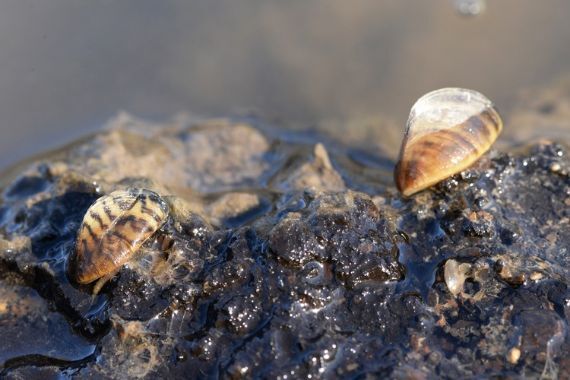
In a scene that could only be described as a watery whodunit, zebra mussel larvae have been discovered lurking in the depths of Lake Sakakawea. This unwelcome news has sent the North Dakota Game and Fish Department scrambling to contain the invasive species before it wreaks havoc on local ecosystems, threatening not just our cherished waters but the very fabric of our community life. The confirmation of these unwelcome guests marks a critical moment for North Dakota, demanding swift, unified action.
Indeed, invasive zebra mussels have been confirmed in the extreme eastern portion of Lake Sakakawea by the North Dakota Game and Fish Department (NDGF). The initial detection of larvae in routine sampling on October 27, 2023, quickly escalated into a more concrete finding, signaling a significant challenge for one of our state's most vital natural resources. This discovery, while concerning, has galvanized local officials and residents alike to protect what we hold dear.
The confirmation came after follow-up sampling revealed two adult mussels along the northern shoreline near the Highway 83 Embankment. Ben Holen, the department's aquatic nuisance species coordinator, now finds himself at the forefront of this battle, becoming the reluctant face of zebra mussel warfare. His team, working diligently with the U.S. Army Corps of Engineers (USACE), is conducting expanded surveys to precisely delineate the infested area, ensuring no stone is left unturned in understanding the scope of the problem.
While current findings suggest the infestation is isolated to the far eastern stretch of the reservoir, the potential for wider spread is a serious concern. Zebra mussels pose a grave threat to native species, disrupt the delicate ecosystem, and can cause significant damage to water infrastructure, including pipes and boat engines. Their presence impacts not only the biological health of the lake but also the recreational and economic activities that define life around Lake Sakakawea.
This isn't the first time North Dakota has faced such a threat. Adult zebra mussels were previously found in Lake Ashtabula in 2019, and larvae were detected in Lake Sakakawea in both 2021 and 2022, though adult populations were not confirmed until now. These prior incidents underscore the persistent challenge of aquatic invasive species (AIS) and the continuous vigilance required to protect our waters.
Lake Sakakawea is more than just a body of water; it's a cornerstone of North Dakota's outdoor recreation, an economic engine for tourism, fishing, and boating, and a place where families create lasting memories. From the majestic Garrison Dam to the serene shores of Fort Stevenson State Park and the welcoming atmosphere of Indian Hills Resort, the lake is central to our way of life. The thought of this natural treasure being compromised strikes deep into the heart of our community.
Local fishermen, many of whom have built their livelihoods around the lake's abundant walleye populations, now face an uncertain future. The annual walleye fishing season is a highlight for countless families, drawing visitors from across the region and strengthening local businesses. The potential disruption to this cherished tradition, and the broader $1.5 billion annual outdoor recreation economy, is a stark reminder of what's at stake.
Governor Doug Burgum has emphasized the critical need for public vigilance, stating, "The discovery of adult zebra mussels in Lake Sakakawea is concerning, but thanks to the diligent work of Game and Fish and our partners, we have an early detection that allows us to take aggressive action." His words resonate with the cautious optimism felt by many, as the community rallies to protect their waters. This challenge, while daunting, has brought neighbors closer, fostering a shared commitment to stewardship.
Fortunately, falling water temperatures this fall greatly reduce the immediate risk of zebra mussel spread, offering a crucial window for strategic planning. The NDGF will collaborate with stakeholders throughout the winter to refine appropriate rules and implement best management practices. The goal is clear: mitigate the spread of mussels before next year’s boating season, ensuring that families can continue to enjoy the lake for generations to come.
The state has already invested significantly in AIS prevention. The 2021 legislative session allocated $1.5 million in state funding for aquatic nuisance species prevention efforts, demonstrating a proactive stance. These funds are vital for research, monitoring, and public education campaigns, which are the first lines of defense against these invaders. The community understands that protecting our natural heritage is a shared responsibility, much like upholding the values that bind our families and neighborhoods.
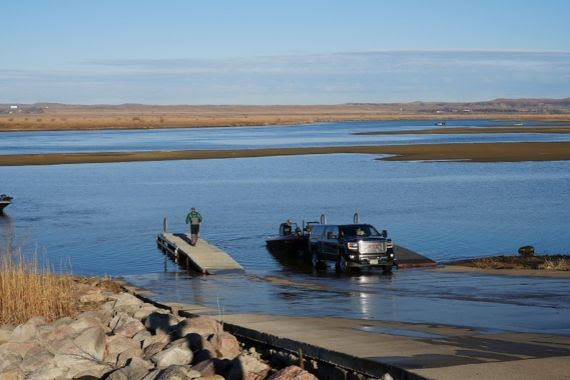
Education remains paramount. The "Clean, Drain, Dry" message is more critical than ever. Boaters, anglers, and all water users are urged to meticulously clean all vegetation and mud from their boats, trailers, and equipment; drain all water from their boats, including the bilge, livewells, and motor; and dry their equipment thoroughly before moving to another body of water. This simple yet effective protocol is our best defense against further spread.
The penalties for non-compliance are severe, reflecting the gravity of the threat. Transporting aquatic nuisance species, even unknowingly, can result in a $100,000 fine. This underscores the state's commitment to enforcing regulations designed to protect our precious aquatic resources. It's a reminder that individual actions have collective consequences, and responsible stewardship benefits everyone.
As temperatures drop and the lake's surface hardens, the community braces for a winter of planning and preparation. This period of quiet reflection and diligent work will be crucial in outsmarting the zebra mussels before next summer's boating season. The emotional arc from the initial shock of discovery is now shifting towards a determined resolve, a testament to the resilience of North Dakotans and their deep connection to the land and water that sustain them.
The ongoing battle between nature and human intervention is a continuous narrative, but one that North Dakota is prepared to face with unity and purpose. By working together—from state officials like Ben Holen to every family enjoying a day on the lake—we can safeguard Lake Sakakawea for future generations. For more information on aquatic nuisance species or to report a suspected sighting, residents are encouraged to visit gf.nd.gov/ans. Our collective vigilance is the key to preserving this irreplaceable treasure.
By Diane Nguyen

By Diane Nguyen

By Carlos Martinez
By Diane Nguyen