Technology
Siemens Healthineers starts carve-out of diagnostics business
By Diane Nguyen
Advertisement · Why this ad?
Mark Gilliam brings a decade of experience in business reporting to Fargo Current, previously writing for the Grand Forks Herald. He holds a degree in Business Administration from the University of North Dakota and specializes in local economic trends and business development.
More from Mark →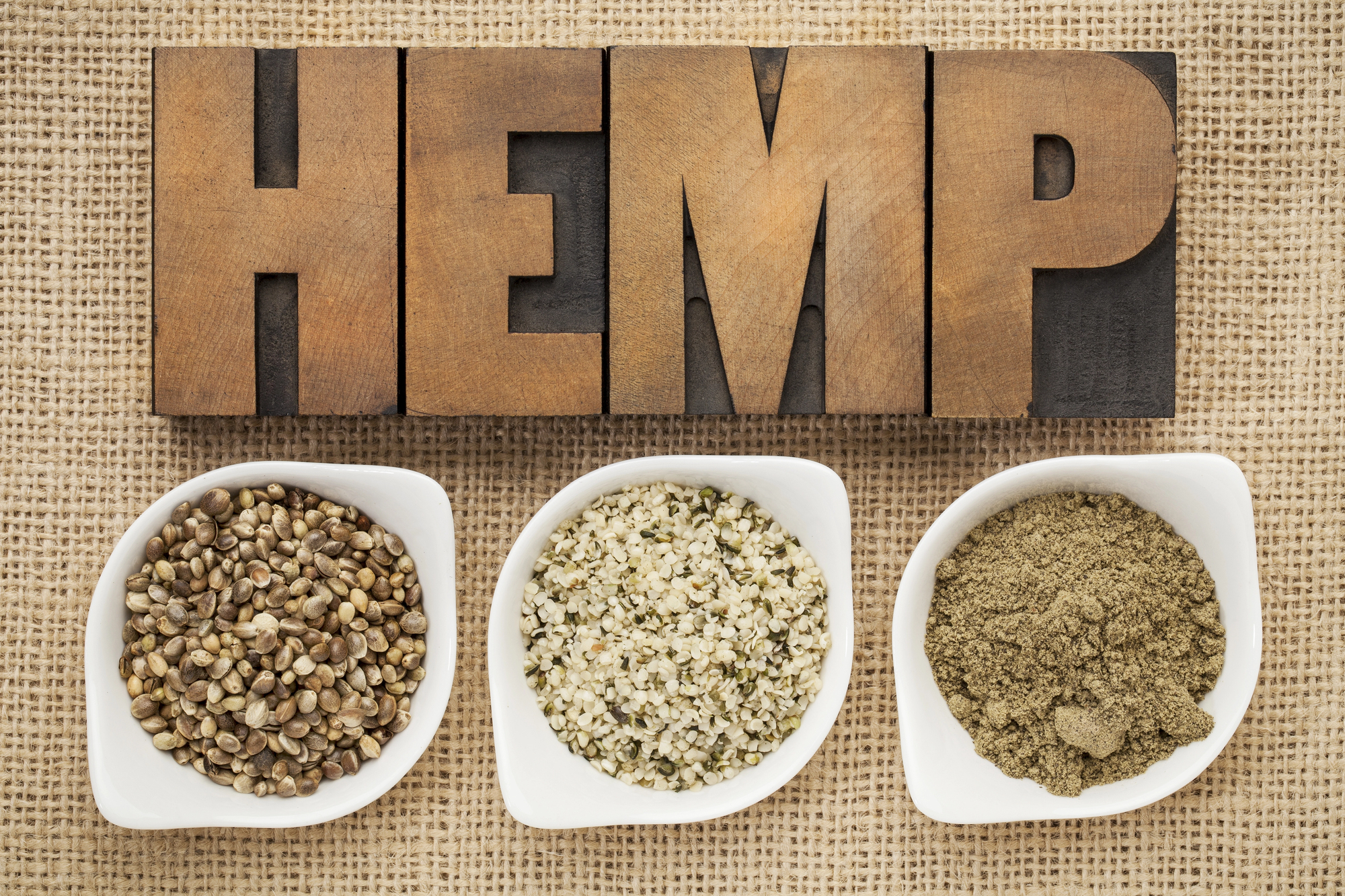
As the sun dipped below the horizon in Minnesota, a new opportunity emerged for farmers and entrepreneurs eager to tap into the burgeoning hemp market. The Minnesota Department of Agriculture (MDA) has officially opened the online application portal for its 2027 Hemp Program, inviting individuals and businesses to apply for licenses to grow or process hemp. This initiative marks a significant step in the state's agricultural landscape, promising to bolster local economies while adhering to regulatory standards.
The MDA's online application portal is now active, allowing prospective hemp growers and processors to submit their applications until April 30, 2027. This license will be valid for the entire 2027 calendar year, providing ample time for applicants to prepare for the upcoming growing season. The application can be accessed on the Hemp Program page of the MDA website.
To ensure compliance with state regulations, first-time applicants and their authorized representatives must submit fingerprints and pass a criminal background check. It's important to note that the hemp license specifically covers the growing and processing of hemp and does not extend to adult-use or medical cannabis, which are governed by separate regulations.
In Minnesota, hemp and adult-use cannabis originate from the same plant species, Cannabis sativa, but they are differentiated by their THC levels. Hemp must contain less than 0.3% Total THC by dry weight, while levels exceeding this threshold classify the plant as marijuana. This distinction is crucial for applicants to understand as they navigate the licensing process.
For those looking to enter the hemp industry, the financial commitment begins with the license application. The minimum cost for a hemp license is set at $400, and any additional locations added for growing or processing will incur an extra fee of $250. Notably, the processing license fee has been waived, reflecting a shift in how the state is approaching this emerging market.
In addition to the licensing fees, applicants should be aware of a 5% license surcharge that will be applied to support the modernization of the MDA's technology systems. This upgrade aims to enhance online services and streamline the application process, ultimately benefiting all stakeholders involved.
Furthermore, each lot of hemp grown will require pre-harvest THC regulatory testing, with each official sample collected by the MDA costing $100. This regulatory framework is designed to ensure that hemp producers maintain compliance with state and federal laws, safeguarding the integrity of the industry.
Before a license can be issued, all authorized representatives designated by the applicant must successfully pass a criminal history background check. This requirement underscores the MDA's commitment to maintaining a responsible and compliant hemp industry in Minnesota. The thorough vetting process is essential to ensure that only qualified individuals are involved in the cultivation and processing of this versatile crop.
As the application deadline approaches, it is crucial for potential applicants to familiarize themselves with the requirements and regulations surrounding the hemp program. Those actively growing hemp plants indoors must also be mindful that they need to renew their licenses before the current ones expire at the end of 2026.
The introduction of the 2027 Hemp Program holds significant potential for Minnesota's agricultural community and the economy at large. With the state's previous pilot program running from 2016 to 2020, the groundwork has already been laid for a robust hemp industry. The transition to a federally approved state plan in 2021 marked a pivotal moment, allowing for more structured production and regulation.
Local farmers are poised to benefit from this initiative as they explore new revenue streams through hemp cultivation. The versatility of hemp, which can be used in textiles, construction materials, and even food products, opens up numerous possibilities for innovation and entrepreneurship. As the demand for sustainable and eco-friendly products continues to rise, Minnesota's hemp industry could play a crucial role in meeting these needs.
Moreover, the program's emphasis on compliance and regulation fosters a sense of trust and stability within the market. By ensuring that all participants adhere to the established guidelines, the MDA is helping to create a reliable and sustainable hemp sector that can thrive in the long term.
To understand the impact of the 2027 Hemp Program on the community, it's essential to hear from those directly involved. Farmers like Jenna Larson, who has been cultivating hemp since its legalization in Minnesota, express optimism about the program. “Hemp has transformed my farming operation. It’s not just another crop; it’s an opportunity for sustainability and innovation,” Larson stated during a recent local agricultural conference.
Local agricultural organizations are also weighing in on the program's potential. The Minnesota Farmers Union has been a vocal supporter of the hemp initiative, emphasizing its ability to diversify income for farmers. “This program is a game changer. It allows farmers to pivot and adapt to market demands while promoting environmentally friendly practices,” said Union President Gary Huber.
Such sentiments are echoed by entrepreneurs looking to enter the hemp processing sector. With the rise of hemp-derived products such as oils, textiles, and biodegradable plastics, local businesses are eager to capitalize on this growing industry. “We’re excited about the possibilities that hemp presents for our community. It’s not just about the crop; it’s about creating jobs and stimulating the local economy,” remarked Sarah Thompson, a business owner in the processing sector.
For those interested in applying for a hemp license, the MDA has made resources readily available to assist with the application process. The Hemp Program page provides detailed information on the application requirements, fees, and compliance regulations. Additionally, the site includes links to relevant documents and contacts for further assistance.
Prospective applicants are encouraged to take advantage of these resources to ensure they are well-prepared for the licensing process. Engaging with local agricultural organizations and industry groups can also provide valuable insights and support as individuals navigate the complexities of entering the hemp market.
As the application deadline approaches, it is essential for potential growers and processors to act swiftly. The window for applications closes on April 30, 2027, a timeline that allows for thorough preparation but also necessitates prompt action to secure a license.
The opening of the online application portal for Minnesota's 2027 Hemp Program is a pivotal development for the state's agricultural landscape. As farmers and entrepreneurs prepare to enter this promising market, the MDA's regulatory framework provides a solid foundation for growth and sustainability.
With the potential for economic revitalization and innovation, the hemp industry in Minnesota is poised for significant expansion. As more individuals and businesses recognize the opportunities available, collaboration and community support will play a crucial role in shaping the future of hemp production in the state.
As we look forward to the 2027 growing season, it is clear that Minnesota's hemp program is not just about cultivating a crop; it represents a commitment to building a resilient agricultural community rooted in integrity and compliance. The success of this initiative will depend on the dedication of all stakeholders involved, from farmers to regulators, as they work together to realize the full potential of this versatile plant.
By Diane Nguyen
By Diane Nguyen
By Maya Patel

By Diane Nguyen