
Technology
Schwarz Digits and Bull partner up to build European AI computing services
By Maya Patel
Advertisement · Why this ad?
Jake Thompson has a degree in Journalism from the University of North Dakota and has spent the last three years reporting for business publications in the region. He specializes in local finance, investment opportunities, and economic development.
More from Jake →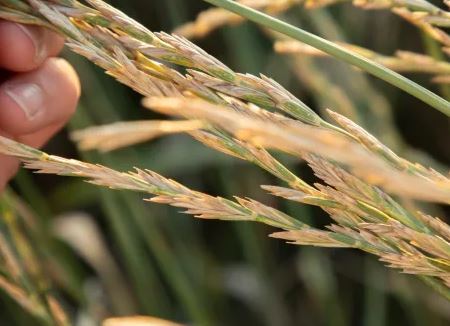
As the sun dipped below the horizon in St. Paul, Minnesota, a group of researchers gathered to reflect on a groundbreaking six-year journey that has the potential to reshape agriculture in the United States. Their focus? Kernza®, the first commercially available perennial grain, which has captured imaginations and transformed practices across the farming sector. With $10 million in funding from the USDA and a network of over 100 partners, the KernzaCAP project has concluded its grant period, but its legacy is just beginning.
Launched in 2020, KernzaCAP was a coordinated research initiative aimed at advancing the cultivation and commercialization of Kernza. This perennial grain offers a sustainable alternative to traditional annual crops, promising benefits for both farmers and the environment. The project has yielded significant advancements, including the release of a new Kernza variety named ‘MN-Itasca,’ developed through a genomic selection method at Kansas State University. This method has reduced the time and cost of developing new varieties, paving the way for more rapid advancements in the field.
Throughout its duration, KernzaCAP has also facilitated the expansion of USDA programs that support Kernza adoption. These include FSA crop reporting, cost-sharing through the NRCS Conservation Stewardship Program, and the RMA data-sharing framework designed to evaluate crop insurance products. Additionally, the project has introduced insurance options specifically for Kernza under the Pasture, Rangeland, Forage Program.
These strides not only enhance the viability of Kernza as a crop but also signify a broader commitment to sustainable agriculture. As farmers face increasing challenges from climate change and market fluctuations, KernzaCAP’s risk-management tools provide essential support for those looking to adopt this innovative grain.
The impact of KernzaCAP extends far beyond research labs and universities; it resonates deeply within the farming community and the food industry. General Mills’ Cascadian Farm brand has quadrupled its use of Kernza through its “1% Kernza Initiative,” a move that not only boosts the market for this perennial grain but also supports sustainable farming practices. This initiative exemplifies how large corporations can play a pivotal role in promoting environmentally friendly agriculture.
Local farmers are also feeling the positive effects of KernzaCAP. Many have expressed excitement about the new opportunities that Kernza presents. “It’s a game-changer for us,” said one farmer from western Minnesota who has begun experimenting with Kernza in his fields. “Not only does it reduce erosion and improve soil health, but it also provides us with an additional revenue stream.”
Moreover, the collaboration fostered by KernzaCAP has encouraged farmers to share knowledge and resources, enhancing community ties and collective problem-solving. This sense of unity is vital in an industry often marked by competition and isolation. Farmers are now participating in local workshops and forums where they can exchange best practices and experiences related to Kernza cultivation. One such event, held in a local community center, attracted over 50 farmers eager to learn from one another and share their successes and challenges.
Additional initiatives, such as the Perennial Percent initiative and partnerships with organizations like Patagonia Provisions, have resulted in a variety of new products hitting the market, from Kernza beer to malt lines. These collaborations not only diversify product offerings but also introduce consumers to the benefits of perennial grains. Local breweries are now experimenting with Kernza in their recipes, creating unique flavors that resonate with environmentally conscious consumers.
The technical advancements made during the KernzaCAP project have set a solid foundation for future research and development. One of the standout achievements includes the creation of technical and marketing resources tailored for various stakeholders, including brewers, bakers, and chefs. These resources are designed to facilitate the integration of Kernza into their products, making it easier for businesses to adopt this innovative grain.
In addition to technical resources, KernzaCAP has produced educational materials for schools and agricultural programs. These curricula aim to inform the next generation of farmers and consumers about the environmental benefits of perennial grains, such as improved soil health and reduced carbon emissions. By fostering an understanding of sustainable practices, KernzaCAP is contributing to a more informed and engaged public.
Furthermore, the project has generated numerous publicly available resources, including grower guides, industry technical manuals, and scientific publications. These materials are essential for ongoing education and support for those involved in the Kernza supply chain. Interested parties can find these resources on Kernza.org, which is regularly updated with the latest information about this evolving crop. The accessibility of these resources is crucial, especially for small-scale farmers who may not have extensive access to agricultural research.
As the KernzaCAP project concludes, the future looks bright for the perennial grain movement. The groundwork laid over the past six years is expected to catalyze further research and commercialization efforts. “The work is far from over,” said Jake Jungers, associate professor and project principal investigator. “KernzaCAP was a critical launching point for the development of perennial grains, and we are excited to see where this journey takes us next.”
With a growing market and increasing interest from consumers, Kernza is poised to become a staple in sustainable agriculture. As more farmers adopt this crop and more companies integrate it into their products, the benefits will ripple throughout the community, contributing to a healthier environment and a more resilient agricultural system. Local communities are beginning to see the potential for Kernza to not only enhance food systems but also to create jobs within the region, from farming to processing and distribution.
In the coming years, we can expect to see continued innovation in Kernza cultivation and product development. The collaborative spirit of KernzaCAP will likely inspire new partnerships and initiatives, further enhancing the crop's viability and market presence. The next steps will involve ongoing research to address challenges such as pest management and climate adaptability, ensuring that Kernza remains a viable option for farmers in diverse environments. With the support of local governments and agricultural organizations, the future of Kernza looks promising, and its role in sustainable agriculture will only continue to grow.
By Maya Patel

By Carlos Martinez

By Mark Gilliam

By Jenna Larson