Community
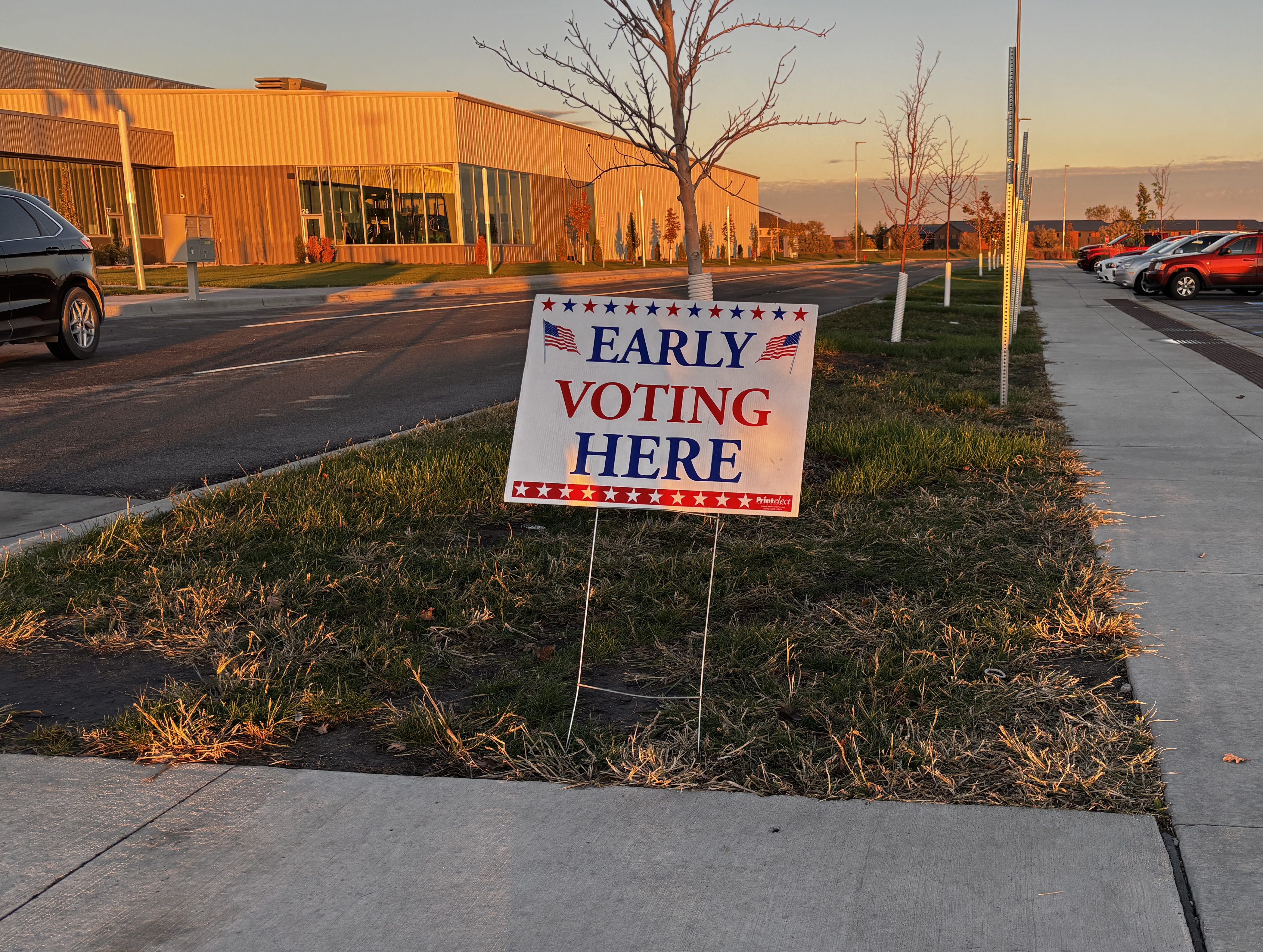
Cass County early votes increased 45% from the last midterm election in 2022
By Sofia Cheung
Advertisement · Why this ad?
Jenna Larson has been reporting on the Fargo region for over 15 years. She graduated from North Dakota State University and began her career at The Forum of Fargo-Moorhead before joining the Bison Current network. Jenna's focus is on community events, local initiatives, and the stories that make Fargo unique.
More from Jenna →
On a sunny June morning, as South Korean President Lee Jae Myung prepared for a pivotal trip to Europe, the air was thick with anticipation. His agenda included meetings with global leaders and discussions on pressing international issues. Yet, unbeknownst to him, a significant breach of privacy was about to unfold. Just days before his departure, sensitive passport details—including his and those of his staff—were leaked online, casting a shadow over the trip and raising serious concerns about security.
According to a report from South Korean broadcaster KBS, the confidential passport information of 168 individuals, including President Lee, his security officers, and National Security Adviser Wi Sung-lac, was uploaded to a paid website in early June. This alarming disclosure came just before Lee's travels to Belgium, Italy, and France for a Group of Seven leaders’ summit. The file was labeled “passenger list,” raising questions about the motives behind the leak and its potential implications for national security.
The leak was first brought to light by KBS, which promptly notified the presidential Blue House. In response, the Blue House stated that they were investigating the situation and would take immediate action to address the breach. However, the circumstances surrounding how this sensitive information was uploaded and who accessed it remain unclear, leaving many to wonder about the security protocols in place.
The revelation of this leak has sent shockwaves through the South Korean community, igniting discussions about privacy, security, and the responsibilities of public officials. Citizens are rightfully concerned about the implications for their leaders’ safety and the broader ramifications for national security. In an age where information is easily accessible, the importance of protecting sensitive data cannot be overstated.
For many, this incident serves as a reminder of the vulnerabilities that exist in our increasingly digital world. As families gather around their dinner tables, conversations about the importance of safeguarding personal information take on new urgency. The trust placed in leaders like President Lee is paramount, and incidents like this can erode that trust, leading to a more skeptical and cautious public.
The government’s response to this leak is crucial in restoring confidence among the populace. As the Blue House investigates the breach, citizens are hopeful that measures will be implemented to prevent future occurrences. This incident highlights the need for robust cybersecurity protocols and transparency regarding how sensitive information is handled.
Moreover, it raises questions about the broader implications for international relations. With President Lee's trip to Europe focused on strengthening alliances and addressing global challenges, the leak could hinder diplomatic efforts. The need for secure communication channels and the protection of sensitive information is more critical than ever, especially when national interests are at stake.
Officials from various sectors have weighed in on the incident, emphasizing the importance of accountability and the need for a thorough investigation. National Security Adviser Wi Sung-lac expressed his concerns regarding the leak, underscoring the potential risks associated with such breaches. He stated, “We must ensure that our leaders can operate without fear of exposure, particularly during sensitive diplomatic missions.”
Furthermore, cyber security experts have called for a reevaluation of current practices. They argue that this incident could serve as a wake-up call for government agencies to prioritize data protection. As families in South Korea navigate their daily lives, the hope is that leaders will take decisive action to safeguard the information entrusted to them.
In the wake of the leak, local citizens have begun to voice their concerns and opinions. At a recent community meeting in Seoul, residents expressed their anxiety over the breach and its implications for their safety. Kim Soo-jin, a teacher and mother of two, remarked, “It’s frightening to think that even our leaders aren’t safe from such breaches. What does that mean for ordinary citizens?” Her sentiments reflect a growing unease among the populace about digital privacy and security.
Local businesses have also felt the impact of the leak. Many small business owners in the area are concerned that if government officials cannot protect their data, it may lead to a loss of trust in public institutions. Park Min-ho, who owns a café in downtown Seoul, stated, “If our leaders can’t keep their information safe, how can we expect them to protect our interests and our data?”
As the investigation unfolds, the South Korean community is keenly aware of the implications this breach may have on the future. The upcoming months will be critical as the government seeks to implement measures that not only address this specific incident but also bolster overall cybersecurity. The importance of maintaining the trust of the public cannot be overstated, and it is essential for leaders to demonstrate a commitment to protecting sensitive information.
In a world where digital threats are ever-evolving, staying one step ahead is vital. For families in South Korea, the hope is that this incident will lead to stronger safeguards, ensuring that their leaders can focus on the important work of governance without the shadow of security breaches looming over them.
The leak of President Lee's passport details is not just a matter of personal privacy; it raises fundamental questions about national security. The exposure of sensitive information can potentially compromise not just the safety of the president and his staff, but also the integrity of South Korea's diplomatic relations. In a geopolitical landscape where tensions can escalate quickly, ensuring the security of leaders during international engagements is paramount.
Moreover, the incident could have ripple effects that extend beyond South Korea. Allies and partners may question the reliability of South Korea's cybersecurity measures, potentially affecting collaborative efforts on global issues such as trade, climate change, and security alliances. As nations increasingly rely on digital communication, the stakes are higher than ever.
As the Blue House continues its investigation, the South Korean public is eager to see what concrete steps will be taken in response to this breach. Experts are calling for a comprehensive review of existing cybersecurity protocols, including employee training and the implementation of advanced encryption technologies to protect sensitive information. There is also a growing demand for greater transparency from the government regarding the measures being enacted to prevent future leaks.
In addition, the incident may prompt a broader societal discussion about digital privacy and security. As citizens become more aware of the potential risks, there may be increased advocacy for stronger data protection laws and regulations. Community forums and discussions may emerge as platforms for citizens to voice their concerns and collaborate on solutions.
Ultimately, the resilience of the South Korean community will shine through as they navigate these challenges. Together, they will advocate for the protection of their leaders and their nation, fostering a culture of accountability and vigilance. As the nation moves forward, the lessons learned from this incident could shape future policies and protocols, ensuring that such breaches become a thing of the past.
By Sofia Cheung

By Jenna Larson

By Sofia Cheung

By Tommy Anderson